
Criminal negligence in Canadian law means doing something (or failing to do something) that shows a wanton or reckless disregard for the lives or safety of others. It is normally used in very serious cases where someone in a position of responsibility ignores obvious risks and people get hurt or killed as a result.
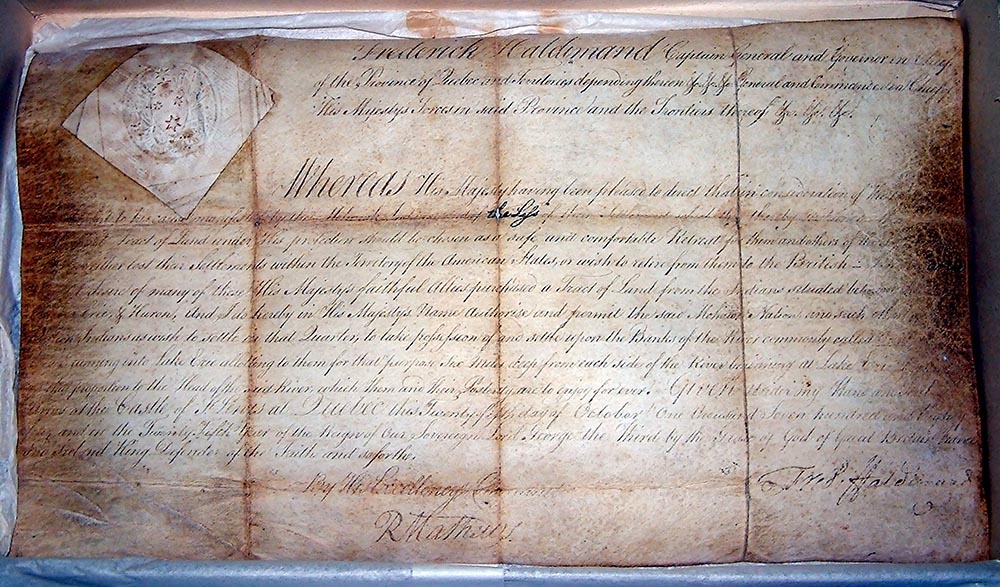
In the Haldimand context, the phrase is used more broadly to ask what happens when authorities know there are jurisdictional questions, safety concerns, or treaty-related obligations on Grand River lands and choose to ignore them. For example, approving construction, heavy industry, or policing strategies on disputed lands without proper assessments or respect for underlying rights can expose communities to physical danger and long-term harm. While not every failure rises to the level of a criminal offence, the language of criminal negligence underscores how serious it is when power is exercised carelessly in a space where the Crown already knows it has unfinished business.
Criminal negligence, in general law, involves doing something—or failing to do something—that shows a wanton or reckless disregard for the lives or safety of others. It usually requires more than a mere mistake; it involves conduct so careless that it crosses into the realm of crime.
In the Haldimand context, the language of criminal negligence is sometimes used to describe the behaviour of officials and decision-makers who:
-
know or are repeatedly informed that their actions on Six Miles Deep (approving developments, enforcing taxes, directing police) are built on a fragile or unlawful foundation;
-
understand that these actions expose Mohawk posterity to serious economic, cultural, and psychological harm;
-
yet continue as if nothing is wrong, relying on technicalities or the supposed absence of standing to avoid confronting the issue.
Whether a court would actually find criminal negligence in a given case is a separate question requiring precise evidence and legal analysis. But as a lexicon term, “Criminal Negligence (Haldimand Context)” points to a hard edge of the debate: if oath-takers and public bodies knowingly ignore constitutional obligations and continue to authorize projects that deepen harm on a promised refuge, the behaviour is not just a civil or moral problem. It begins to resemble reckless disregard for the safety and well-being of a defined posterity.
Criminal negligence
-
-
219 (1) Every one is criminally negligent who
-
(a) in doing anything, or
-
(b) in omitting to do anything that it is his duty to do,
shows wanton or reckless disregard for the lives or safety of other persons.
-
-
Definition of duty (2) For the purposes of this section, duty means a duty imposed by law.
-
-
- R.S., c. C-34, s. 202